
Cosmetic Dentistry, Braces and Treatment Abroad: Claims in Scotland

Cosmetic Dentistry, Braces and Treatment Abroad: Claims in Scotland Contact Us Cosmetic dentistry has boomed. Veneers, composite bonding, whitening and clear aligners are advertised everywhere, from city-centre clinics in Glasgow and Edinburgh to social media. Done well, they can transform someone’s confidence. Done badly, they can damage healthy teeth, cause ongoing pain and cost thousands to put right. This guide explains when cosmetic and orthodontic treatment may be negligent, and what your options are. Contact Us Read Our Guide Table of Contents Cosmetic treatment is still dentistry Even when treatment is mainly about appearance, the same legal standards apply. A dentist must: assess whether the treatment is suitable for you, including checking your teeth and gums are healthy first explain the material risks and reasonable alternatives, including doing less or nothing at all give you realistic expectations about the result carry out the treatment with reasonable skill and care In Scotland, the standard of care is judged by the Hunter v Hanley test, and consent by the Montgomery principles. Veneers, crowns and bonding Common problems include: over-preparation, where too much healthy tooth is drilled away, sometimes leading to nerve damage and root canal treatment veneers or crowns placed on unhealthy teeth or gums poor fit, causing decay, gum problems, chipping or falling off bite problems, leading to jaw pain or headaches a result that’s very different from what was agreed not being told that veneers are usually irreversible and will need replacing in future Teeth whitening In the UK, teeth whitening is treated as dentistry and should only be carried out by a dentist or a registered dental professional working to a dentist’s prescription. Whitening by unregistered people, such as some beauty salons, isn’t permitted, and products with higher levels of whitening agent are restricted. Whitening carried out badly can cause chemical burns to the gums, severe sensitivity and damage to existing fillings. Braces and clear aligners Orthodontic treatment takes time, and problems may only become clear months or years later. Claims can involve: root damage (resorption), where tooth roots shorten during treatment and this isn’t monitored decay or white marks under brackets, where hygiene problems weren’t addressed gum disease not treated before or during orthodontics poor results, such as teeth not moving as planned no retainer plan, leading to teeth moving back remote aligner treatment without an in-person examination or proper supervision Treatment abroad Many people travel abroad for cheaper dental work, particularly crowns and veneers. If something goes wrong, it can be very difficult to bring a claim in Scotland against a clinic based in another country. The clinic may not have UK indemnity, and the law of that country may apply. What you can often do is get properly assessed by a dentist here, so you understand the damage and the cost of putting it right. If a Scottish or UK-based company arranged the treatment, there may be other options. Get advice early, as it depends on the details. Who is responsible? In a claim, you’re the pursuer and the dentist or clinic is the defender. For cosmetic treatment in Scotland, that’s usually the individual dentist, the clinic, or both. All registered dental professionals must have indemnity, so patients can be compensated if something goes wrong. Make a Claim Today Our reputation for excellence in personal injury law is unparalleled, having secured over £3 million in compensation for our clients. We are committed to achieving the best possible outcomes, consistently delivering exceptional results and ensuring our clients receive the justice they deserve. Free Claim Check Request A Callback 0333 3051 337 Complaints about private treatment Most cosmetic dentistry is private. If you’re unhappy: Complain to the practice first. Every practice should have a complaints procedure. Contact the General Dental Council’s Dental Complaints Service if the practice doesn’t resolve it. It deals with complaints about private dental treatment and can sometimes help secure a refund or remedial treatment. Healthcare Improvement Scotland regulates independent clinics in Scotland, and can look at concerns about how a clinic is run. Complaints don’t stop the legal time limit for a claim. What to keep: treatment plans, consent forms and quotes before and after photos adverts or messages about what the treatment would achieve receipts and finance agreements reports from any dentist who has since assessed you Compensation, time limits and no win, no fee Damages include solatium for pain, suffering and the effect on your appearance and confidence, plus the cost of corrective treatment, which in cosmetic cases can be significant. Lost earnings and travel costs can be included too. You usually have three years from the treatment or, if later, from when you knew, or reasonably could have known, that you’d been harmed by it. Most Cosmetic Dentistry claims can be funded through a Success Fee Agreement. If the claim fails, you pay no fee. If it succeeds, the success fee is capped by law at 20% of the first £100,000, 10% of the next £400,000 and 2.5% above £500,000, with VAT included. In personal injury claims, outlays such as expert reports and court dues are generally met by the provider, except for any after-the-event insurance premium. FAQs I don’t like how my veneers look. Is that negligence? Not by itself. It may be if the result is well below what was agreed, the work was poorly done, or healthy teeth were damaged unnecessarily. My teeth were whitened at a beauty salon and my gums were burned. Can I claim? Possibly. Whitening should be done by a registered dental professional. I had veneers done abroad. Can I claim in Scotland? It’s often difficult, but it depends on who arranged and provided the treatment. Get advice early. My teeth moved back after braces. Can I claim? Possibly, if you weren’t given a proper retainer plan or advice. Can I get a refund instead of claiming? Sometimes. The Dental Complaints Service may help with private treatment. Talk to us Unhappy with cosmetic or orthodontic dental work? Call us free on 0333 3051
Dental Nerve Damage, Extraction and Implant Claims in Scotland
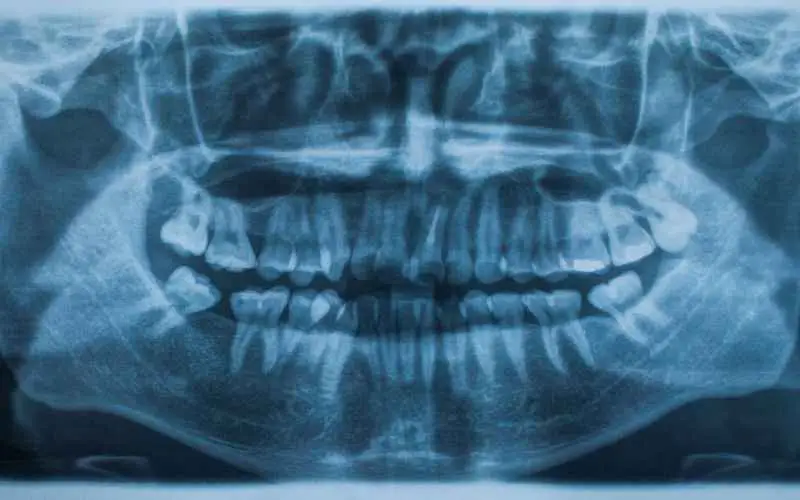
Dental Nerve Damage, Extraction and Implant Claims in Scotland Contact Us Numbness after dental treatment usually wears off within hours. But sometimes it doesn’t. A lip, chin or tongue that stays numb, tingling or painful for months after a wisdom tooth extraction or implant can affect eating, drinking, speaking and even kissing. This guide looks at nerve injuries, extraction errors and implant problems, and when they may be the result of negligence. Contact Us Read Our Guide Table of Contents Nerve injuries in dentistry Two nerves are most often involved: the inferior alveolar nerve, which runs through the lower jaw and supplies feeling to the lower lip, chin and lower teeth the lingual nerve, which supplies feeling and taste to the tongue Injuries can cause numbness, tingling, burning pain, loss of taste, biting the lip or tongue without noticing, and drooling. Many nerve injuries improve over weeks or months. Some are permanent, especially if symptoms haven’t improved after several months. Nerve injury is a recognised risk of some procedures, particularly lower wisdom tooth removal and implants in the lower jaw. It isn’t always negligent. But it may be if: the procedure wasn’t properly planned, for example without suitable X-rays or a 3D scan where the nerve was close the technique fell below the standard expected the dentist didn’t consider safer alternatives, such as referral to a specialist or a different approach you weren’t told about the risk of nerve injury before agreeing to treatment the injury wasn’t recognised and managed promptly afterwards Wisdom tooth extractions Lower wisdom teeth are often close to the inferior alveolar nerve. Before removing one, a dentist or oral surgeon should assess its position, usually with an X-ray, and sometimes a 3D scan if it looks close to the nerve. Where the risk is high, options may include referral to a specialist or a partial removal technique that leaves the roots in place. If these steps weren’t taken, or you weren’t told about the risks and alternatives, you may have a claim. Wrong tooth extraction Removing the wrong tooth is a clear error that should be avoided with proper checks. It’s generally very difficult for a dentist to defend. A claim can cover the lost tooth, the cost of replacing it, and any further treatment needed. Dental implant problems Implants are widely offered by practices across Scotland, and many go well. But claims can arise where: planning was poor, without adequate scans or assessment of bone levels an implant was placed into or too close to a nerve an upper implant entered the sinus implants were placed at the wrong angle or position, leading to failure or a poor result infection around the implant (peri-implantitis) wasn’t diagnosed or managed the patient wasn’t suitable, for example because of untreated gum disease, and this wasn’t addressed first Implant treatment is usually private and can be expensive, so a claim may include the cost of removal and replacement. Root canal treatment Root canal problems can include perforating the tooth, leaving infection behind, breaking an instrument inside the canal without telling the patient, or a reaction to cleaning solution being forced beyond the tooth. Not all of these are negligent, but some are avoidable with proper care. Consent Since Montgomery v Lanarkshire Health Board (2015), dentists must take reasonable care to tell patients about any material risks and reasonable alternatives. For wisdom tooth removal and implants, nerve injury is often a material risk that should be discussed. If it wasn’t, and you’d have chosen differently, that may support a claim. Make a Claim Today Our reputation for excellence in personal injury law is unparalleled, having secured over £3 million in compensation for our clients. We are committed to achieving the best possible outcomes, consistently delivering exceptional results and ensuring our clients receive the justice they deserve. Free Claim Check Request A Callback 0333 3051 337 Who is responsible? In a claim, you’re the pursuer and the dentist or oral surgeon is the defender. For high-street treatment, that’s usually the individual dentist, whose indemnity covers the claim. For hospital oral surgery, it may be the health board. What to do tell your dentist about ongoing numbness or pain promptly, and ask what they plan to do ask for a referral to a specialist if symptoms don’t improve request copies of your records and X-rays keep a diary of your symptoms and how they affect you Compensation, time limits and no win, no fee: Damages include solatium for pain, numbness, loss of taste and effects on eating, speaking and confidence, plus the cost of corrective treatment, lost earnings and travel. Permanent nerve injuries can lead to significant awards. You usually have three years from the treatment or, if later, from when you knew, or reasonably could have known, that you’d been harmed by it. Most Dental claims can be funded through a Success Fee Agreement. If the claim fails, you pay no fee. If it succeeds, the success fee is capped by law at 20% of the first £100,000, 10% of the next £400,000 and 2.5% of anything above £500,000, including VAT. In personal injury claims, outlays such as expert reports and court dues are generally met by the provider, except for any after-the-event insurance premium. FAQs My lip is still numb months after a wisdom tooth was removed. Is that negligence? Not always, but it may be, depending on how the extraction was planned and done, and what you were told. I wasn’t warned about nerve damage. Can I claim? Possibly, if it was a material risk and you’d have chosen differently. My implant failed after a year. Can I claim? It depends on why it failed. Poor planning or placement may be negligent. Some failures happen despite good care. The wrong tooth was taken out. What can I claim for? The tooth itself, pain and suffering, and the cost of replacing it, such as an implant. Can nerve damage recover? Some injuries recover over months. Others are permanent. A
Missed Gum Disease, Decay and Oral Cancer: Dental Claims in Scotland

Missed Gum Disease, Decay and Oral Cancer: Dental Claims in Scotland Contact Us Regular check-ups are meant to catch problems early, before they become serious. When a dentist misses the signs of gum disease, decay or mouth cancer over several visits, the damage can be done quietly, and often only comes to light when you see a new dentist.This guide explains what your dentist should be checking for, and when a missed diagnosis may amount to negligence. Contact Us Read Our Guide Table of Contents Gum disease (periodontal disease) Gum disease is one of the most common causes of tooth loss in adults. In its early stage, gingivitis, gums may bleed or look red. If left untreated, it can progress to periodontitis, where the bone supporting the teeth is gradually destroyed and teeth loosen and eventually fall out. The key point is that gum disease can usually be managed if it’s caught early. That’s why dentists are expected to: screen your gums at routine check-ups, usually with a recognised scoring system called the Basic Periodontal Examination (BPE) record the results in your notes take X-rays where needed to check bone levels tell you if there’s a problem and explain what you need to do treat or refer you to a hygienist or specialist where appropriate Negligence claims often involve a dentist who didn’t screen or record gum health over several years, didn’t tell the patient, or didn’t arrange treatment. The result can be tooth loss that could have been prevented. Missed decay and abscesses Tooth decay that’s caught early can be treated with a filling. Left untreated, it can spread into the nerve, cause an abscess, and lead to root canal treatment or extraction. Claims can arise where: decay was visible on X-rays but not acted on X-rays weren’t taken when they should have been an abscess or infection wasn’t diagnosed or treated properly a patient was repeatedly told nothing was wrong despite symptoms Oral cancer: why Scotland is different Mouth cancer is a particular concern in Scotland. According to the Oral Health Foundation’s 2024 State of Mouth Cancer report, Scotland has the highest incidence of mouth cancer in the UK, at 19.2 cases per 100,000 people. Dentists are often the first professionals to spot signs of mouth cancer, during routine check-ups. A thorough check should include the soft tissues of the mouth: the tongue, cheeks, gums, floor of the mouth, palate and lips, as well as the head and neck. Warning signs include: a mouth ulcer that doesn’t heal red or white patches in the mouth unexplained lumps or swelling persistent pain, numbness or difficulty swallowing Where suspicious signs persist, dentists should refer patients urgently under the Scottish Referral Guidelines for Suspected Cancer. A failure to examine, notice or refer can delay diagnosis. With mouth cancer, early diagnosis can make a big difference to treatment and survival. Proving a missed diagnosis claim In a claim, you’re the pursuer and the dentist is the defender. There are usually two key questions: Breach of duty: would a reasonably competent dentist have spotted the problem and acted sooner? This is judged by the Hunter v Hanley test. Causation: if the problem had been spotted sooner, would the outcome have been better? For example, would you have kept your teeth, or had less invasive cancer treatment? Your dental records are central to both questions. An independent dental expert will look at what was recorded at each visit, what X-rays were taken, and what should have happened. What to do if you’re concerned ask for copies of your dental records and X-rays from every practice you’ve attended. You’re entitled to them under data protection law note what your new dentist or specialist told you, and when keep receipts for corrective treatment get advice before the time limit runs out Compensation, time limits and no win, no fee Damages include solatium for pain, suffering and loss of amenity, plus the cost of corrective treatment such as implants, bridges or dentures, lost earnings and travel. In oral cancer cases, damages can also cover the effects of more extensive treatment caused by the delay. You usually have three years from the negligence or, if later, from when you knew, or reasonably could have known, that you’d been harmed by it. In gum disease cases, that’s often when a new dentist raises concerns. Most dental negligence claims can be funded through a Success Fee Agreement. If the claim fails, you pay no fee. If it succeeds, the success fee is capped by law at 20% of the first £100,000, 10% of the next £400,000 and 2.5% above £500,000, with VAT included. In personal injury claims, outlays such as expert reports and court dues are generally met by the provider, except for any after-the-event insurance premium. Make a Claim Today Our reputation for excellence in personal injury law is unparalleled, having secured over £3 million in compensation for our clients. We are committed to achieving the best possible outcomes, consistently delivering exceptional results and ensuring our clients receive the justice they deserve. Free Claim Check Request A Callback 0333 3051 337 FAQs My dentist never mentioned gum disease and now I’m losing teeth. Can I claim? Possibly. If your records show your gums weren’t checked, or problems weren’t explained or treated, you may have a claim. I didn’t always attend my check-ups. Does that matter? It might reduce your claim, but it doesn’t rule it out for the visits you did attend. Is it the dentist’s job to check for mouth cancer? A soft tissue examination is a normal part of a routine dental check-up. How far back can a gum disease claim go? It depends on when you found out. Claims often look at several years of treatment. Can I get my old dental records? Yes. You can request them from any practice you’ve attended. Talk to us Worried that your dentist missed something? Call us free on 0333 3051 337 and we’ll talk it through. This
A Guide on Dental Negligence Claims in Scotland: NHS & Private Dentists
A Guide on Dental Negligence Claims in Scotland Contact Us Most of us put a lot of trust in our dentist. We sit back in the chair, often unable to see what’s happening, and rely on them to do the job properly. Usually they do. But when dental treatment falls below the standard it should, the results can be painful, expensive and sometimes permanent. This guide explains what counts as dental negligence in Scotland, how claims work, and what to do if you think your treatment went wrong. Contact Us Read Our Guide Table of Contents What is dental negligence? Dental negligence happens when a dentist, hygienist, orthodontist or other dental professional provides care that falls below an acceptable standard, and that causes you harm. In Scotland, the standard is judged by the same test used for doctors, from the 1955 case Hunter v Hanley: whether the treatment was something no reasonably competent dental professional would have provided. Separately, dentists must explain the material risks of treatment and any reasonable alternatives before you agree to it, following Montgomery v Lanarkshire Health Board (2015). Not every bad outcome is negligence. A filling can fail, or a tooth can need extracting despite good care. The question is whether the care itself was below standard and caused harm. Common types of dental negligence: The claims we see most often involve: failure to diagnose and treat gum disease, leading to tooth loss missed decay or abscesses failure to spot signs of oral cancer. See our guide to missed gum disease, decay and oral cancer nerve damage during extractions, injections or implants extraction of the wrong tooth failed or poorly placed implants poor root canal treatment crowns, bridges and veneers that are badly fitted or damage healthy teeth. See our guide to cosmetic dentistry and braces orthodontic problems, such as root damage from braces failing to get informed consent NHS or private: who do you claim against? In a claim, you’re the pursuer and the dental professional you claim against is the defender. In Scotland, most high-street dentists are independent practitioners, even when they provide NHS treatment. That means a claim is usually brought against the individual dentist who treated you, rather than a health board. All dentists registered with the General Dental Council must have appropriate indemnity in place, usually through a dental defence organisation, so that patients can be compensated if something goes wrong. For treatment in a hospital dental service or a public dental service clinic, the claim may be against the health board. Complaints You can complain whether or not you want to claim. The route depends on the type of treatment: NHS dental treatment: complain to the practice first. If you’re still unhappy, you can go to the Scottish Public Services Ombudsman (SPSO). The free Patient Advice and Support Service (PASS) can help. Private dental treatment: complain to the practice first. If that doesn’t resolve it, the General Dental Council’s Dental Complaints Service may help. Private clinics in Scotland are also regulated by Healthcare Improvement Scotland. A complaint doesn’t stop the legal time limit for making a claim. What compensation covers? Damages include: solatium for pain, suffering and loss of amenity, including problems eating, speaking and changes to your appearance or confidence the cost of corrective treatment, which in dental cases can be substantial, for example implants, bridges or orthodontic work lost earnings for time off travel costs to appointments Time limits: You usually have three years to raise court proceedings. That’s three years from the treatment or, if later, from the date you knew, or reasonably could have known, that you’d been harmed by it. Dental problems like untreated gum disease often only come to light when you see a new dentist, so the date of knowledge can matter a lot. For children, the three years don’t start until they turn 16. Make a Claim Today Our reputation for excellence in personal injury law is unparalleled, having secured over £3 million in compensation for our clients. We are committed to achieving the best possible outcomes, consistently delivering exceptional results and ensuring our clients receive the justice they deserve. Free Claim Check Request A Callback 0333 3051 337 Can I claim on a no win, no fee basis? In most cases, yes. Dental negligence claims in Scotland are usually funded through a Success Fee Agreement. If the claim fails, you pay no fee. If it succeeds, the success fee comes out of your damages. The law caps it at 20% of the first £100,000, 10% of the next £400,000 and 2.5% of anything above £500,000, with VAT included. In personal injury claims, outlays such as expert reports and court dues are generally met by the provider, except for any after-the-event insurance premium. Your agreement should make clear what you’ll pay. FAQs Can I claim against an NHS dentist? Yes. In Scotland, the claim is usually against the individual dentist, whose indemnity covers it. My new dentist says my old dentist missed gum disease. What should I do? Ask for copies of your records from both practices and get advice. That kind of comment is often how claims start. Do I need to complain first? No, though many people do. Watch the time limit if you do. Can I claim for the cost of private treatment to fix the problem? Yes, if it’s reasonable and needed because of the negligence. Will I need to be examined by another dentist? Usually, yes. An independent dental expert will review your records and may examine you. Talk to us Think your dental treatment went wrong? Call us free on 0333 3051 337 and we’ll give you an honest view. This guide is general information, not legal advice for your circumstances.